
What Collectors Should Know
1. Double Die Obverse The Double Die Obverse error is a highly sought-after mistake where the coin’s design is imprinted twice on the same side, slightly offset. This creates a noticeable doubling effect on letters and numbers. Notable examples include the 1955 Lincoln cent, a favorite among numismatists.
2. Off-Center Strikes Off-Center Strikes occur when a coin is not properly centered during the minting process, resulting in a portion of the design being cut off. Coins that are struck 50% or more off-center, yet still show the date and mintmark, are particularly valuable to collectors.
3. Clipped Planchet A Clipped Planchet error happens when a part of the metal blank is missing before the coin is struck. This can result in a coin with a straight or curved missing edge. Collectors often seek coins with dramatic clips, as they are more visually striking.
4. Broadstrike Errors Broadstrike Errors occur when a coin is struck without a collar, causing it to spread out and appear larger than usual. These coins lack the reeded edges typical of their type, making them unique finds for collectors.
5. Repunched Mintmark (RPM) Repunched Mintmark errors are created when the mintmark is punched more than once, leading to a doubled or shadowed effect. These errors are commonly found on older coins and are a popular target for error coin enthusiasts.
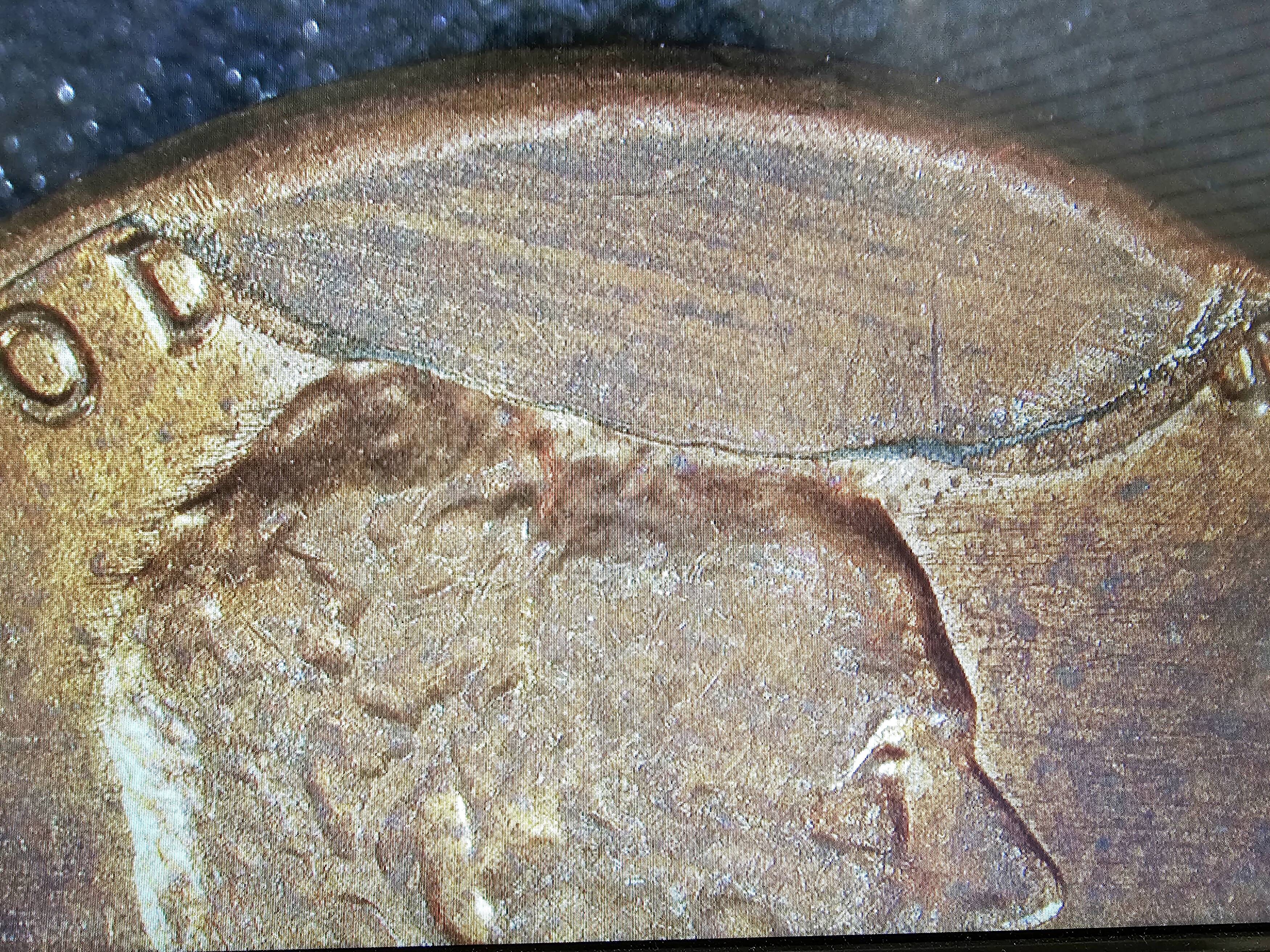
6. Die Cracks Die Cracks appear as raised lines on a coin's surface, resulting from cracks in the die used to strike the coin. These lines can vary in size and can be found anywhere on the coin, often adding an interesting story to its history.
7. Lamination Errors Lamination Errors occur due to imperfections in the metal, causing parts of the surface to peel or crack. These flaws can create unique patterns and textures on the coin, making them a prized possession for collectors who appreciate unique minting errors.
8. Multiple Strikes Multiple Strike errors happen when a coin is struck more than once but fails to eject properly between strikes. This results in overlapping images on the coin, creating a striking visual effect that is highly prized by error coin collectors.
9. Wrong Planchet Errors Wrong Planchet Errors are rare and occur when a coin is struck on a planchet intended for a different denomination. An example would be a dime struck on a cent planchet. These errors are rare and valuable, often fetching high prices at auctions.
10. Cud Errors Cud Errors occur when a piece of the die breaks off, leaving a raised, unstruck area on the coin. This usually appears along the coin’s edge and can vary greatly in size, making each cud error unique and interesting to collectors.
Finding a coin error can be a thrilling experience, adding both excitement and value to your collection. These ten coin errors are essential knowledge for any serious collector. Whether you are new to coin collecting or a seasoned numismatist, understanding and identifying these errors can significantly enhance your collecting journey. Keep an eye out for these fascinating errors and may your next find be a rare treasure!
CoinHub collector note
Values can change with grade, eye appeal, originality, and current collector demand. For rare coins or expensive errors, PCGS or NGC authentication is usually the safest next step before buying or selling.