
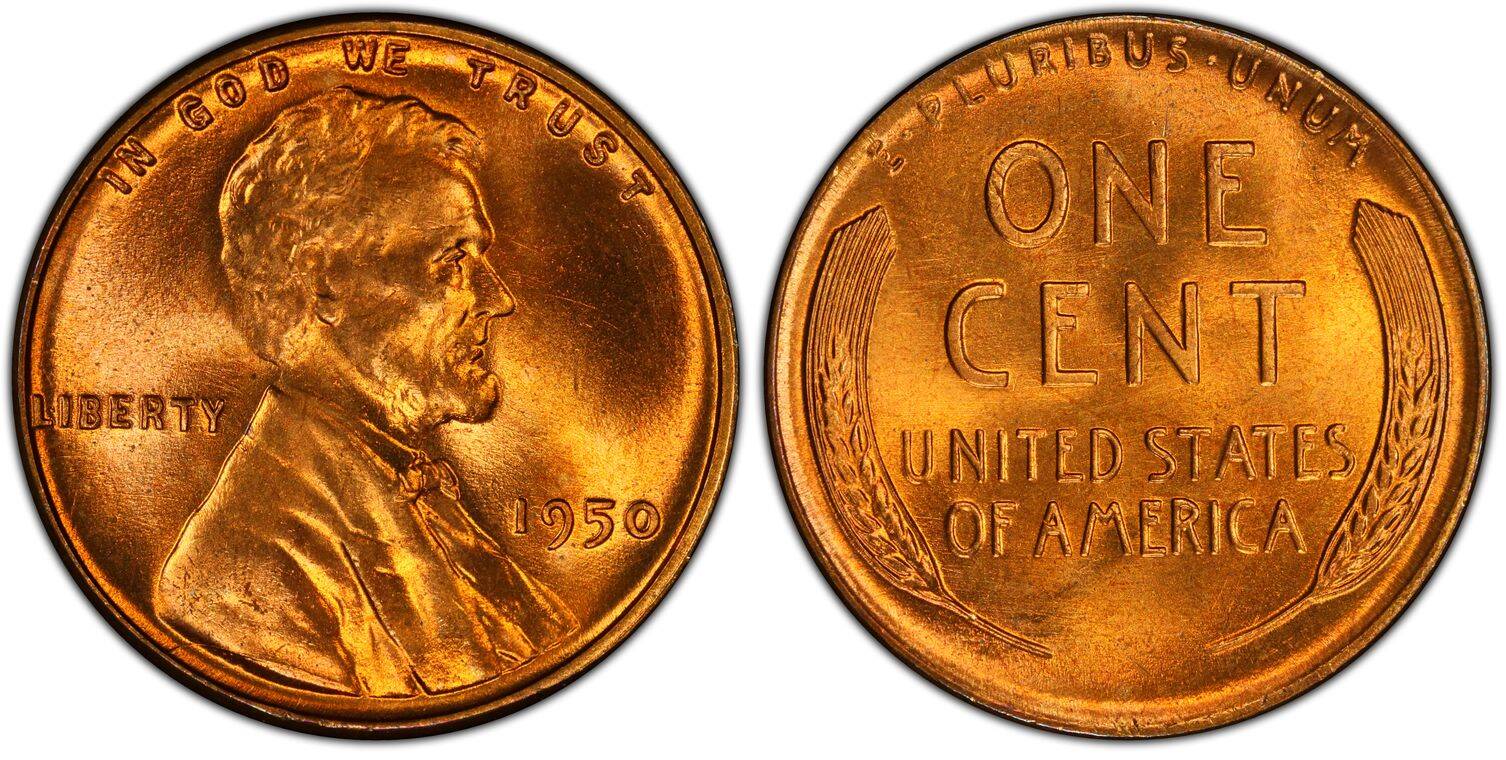
Understanding the Value of Red, Brown, and Red Brown Wheat Pennies
Collecting copper coins, especially wheat pennies, can be challenging and rewarding. The color designation of these coins plays a significant role in their value. Understanding the differences between Red, Brown, and Red Brown wheat pennies can help collectors make informed decisions.
Color Designations for Copper Coins
Copper coins are categorized based on their surface color: Red, Red Brown, and Brown. These designations indicate the percentage of the original mint red color remaining on the coin's surface.
Red Copper Coins
Red copper coins have at least 95% of their original red surfaces intact. These coins are highly sought after and command the highest premiums among copper coins. Collectors often pay significant premiums for coins that are fully Red.
Red Brown Copper Coins
Red Brown copper coins contain between 5% and 95% of their original red surfaces. Many coins fall into this category, and coins with closer to 95% red surfaces can be hidden gems, often undervalued compared to fully Red coins.
Brown Copper Coins
Brown copper coins have less than 5% of their original red surfaces, appearing mostly brown. These coins are often less expensive than Red and Red Brown coins but can still hold significant value if they are in excellent condition.
Factors Affecting Value
The value of Red, Red Brown, and Brown wheat pennies varies significantly. Here's a look at how the different color designations can affect value:
- Red (95%-100% Red): These coins can command premiums and are highly desired. For example, a PCGS MS65 Red 1920-S Lincoln cent can be worth around $35,000.
- Red Brown (5%-95% Red): These coins are valuable but usually worth less than fully Red coins. A PCGS MS65 Red Brown 1920-S Lincoln cent might be valued around $2,500.
- Brown (Less than 5% Red): These coins are typically the least expensive. A PCGS MS65 Brown 1920-S Lincoln cent might be valued around $1,000.
Collecting Tips for Copper Coins
When collecting copper coins, consider the following tips:
- Proper Storage: Store coins in a climate-controlled environment to prevent changes in color due to moisture and improper storage.
- Grading and Authentication: Have coins graded and authenticated by professional services like PCGS or NGC to determine their true value.
- Look for Hidden Gems: Red Brown coins with high percentages of red surfaces can be valuable finds.
Frequently Asked Questions
Q1: What makes Red copper coins more valuable?
A1: Red copper coins are more valuable because they retain their original mint red color, which is highly desired by collectors. The scarcity and appeal of fully Red coins drive up their value.
Q2: Can a Brown coin become Red Brown or Red?
A2: No, once a coin's surfaces have turned brown due to oxidation and environmental factors, it cannot revert to its original red color. Proper storage can help maintain the color of Red and Red Brown coins.
Q3: How should I store my copper coins?
A3: Store copper coins in a dry, climate-controlled environment, ideally in protective holders or albums that minimize exposure to air and moisture. Avoid handling coins with bare hands to prevent oils and dirt from affecting the surfaces.
For more detailed information and resources, check out our best-selling coin error book on Amazon and our best-selling selling guide on Amazon. Also, join our live coin auctions on Whatnot for more insights and opportunities to connect with fellow collectors.