
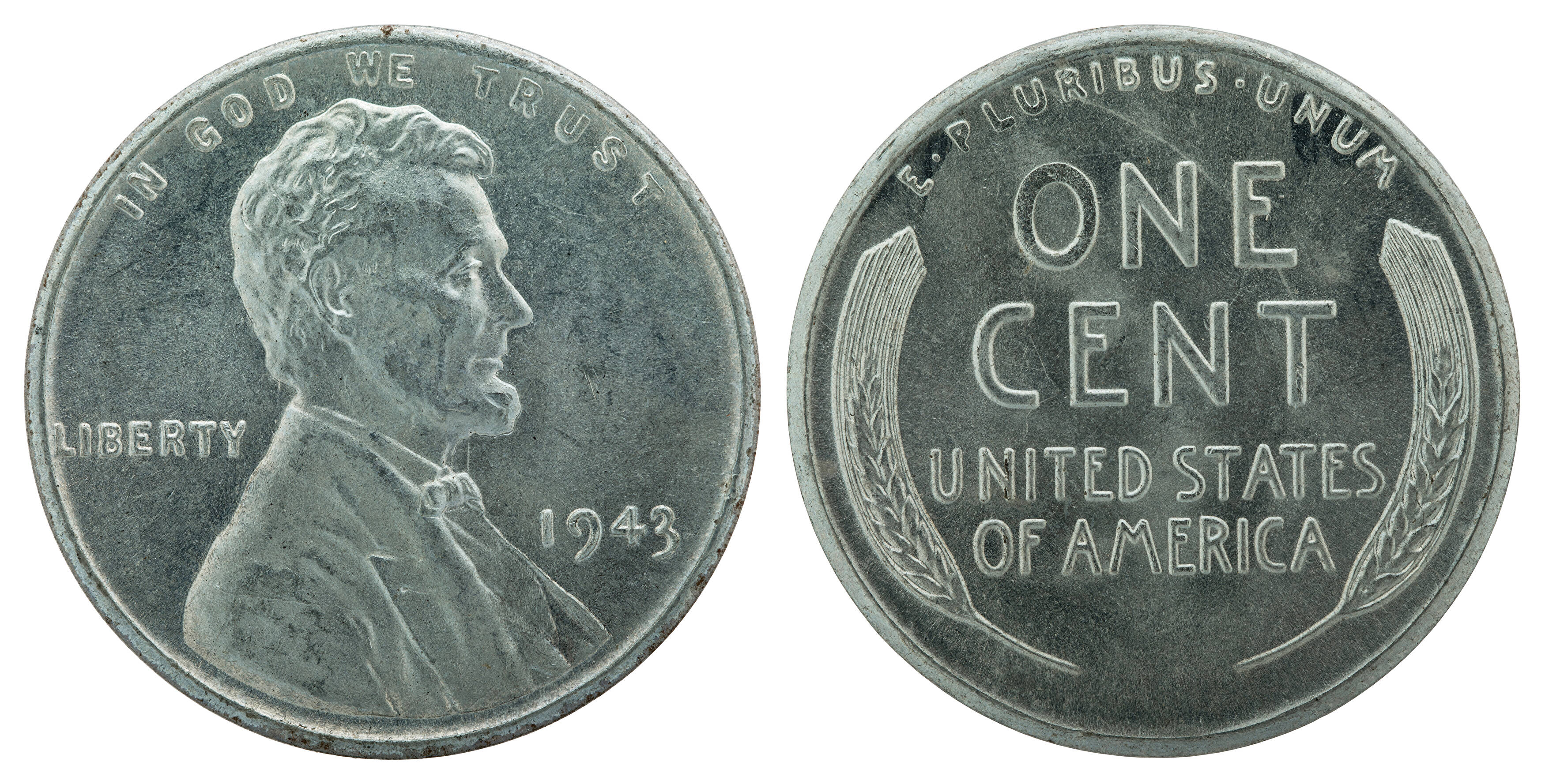
1943 Wheat Penny Value: Understanding the Unique Steel Cents
The 1943 wheat penny is a unique coin in American history, minted during World War II. Unlike traditional copper pennies, the 1943 penny was made from steel coated with zinc, giving it a distinctive silver appearance. This change in material was due to the need for copper in the war effort, making the 1943 steel cent a fascinating and sought-after coin for collectors.
Why Was the 1943 Wheat Penny Made of Steel?
During World War II, the United States needed copper for military purposes, such as shell casings and electrical wiring. To conserve copper, the U.S. Mint decided to produce pennies from steel coated with zinc. This decision led to the creation of the 1943 steel wheat penny, the only year in which pennies were made from this material.
Identifying the 1943 Wheat Penny
The 1943 wheat penny is easy to identify due to its unique color and composition. It has a silver-grey appearance, unlike the usual reddish-brown of copper pennies. Additionally, it is magnetic because of its steel core, which is another distinguishing feature. If you find a 1943 penny that is not magnetic, it could be an extremely rare copper version mistakenly made in 1943.
Value of the 1943 Wheat Penny
The value of a 1943 wheat penny varies based on its condition and mint mark. Here are the general values as of July 2024:
- 1943 (no mint mark): $0.20 to $0.50 in circulated condition; up to $10 in uncirculated condition.
- 1943-D (Denver): $0.30 to $0.60 in circulated condition; up to $15 in uncirculated condition.
- 1943-S (San Francisco): $0.40 to $0.70 in circulated condition; up to $25 in uncirculated condition.
Extremely rare 1943 copper pennies can fetch much higher prices, ranging from $100,000 to over $200,000 depending on their condition.
Grading and Condition
To determine the exact value of your 1943 wheat penny, it is important to have it graded by a professional coin grading service like PCGS or NGC. These services will authenticate the coin and assign it a grade based on its condition, which can significantly affect its value. Coins in mint state condition with no wear and sharp details are worth more than those that are worn or damaged.
Collecting 1943 Wheat Pennies
Collecting 1943 wheat pennies is an interesting and rewarding hobby. These coins not only have historical significance but also offer a glimpse into the wartime efforts of the United States. Here are some tips for collectors:
- Check Your Change: Always examine your pocket change for these distinctive silver-colored pennies.
- Use a Magnet: Test the coin with a magnet to ensure it is a genuine steel penny.
- Consult Experts: Join coin collecting communities and seek advice from experienced collectors.
- Stay Informed: Keep up with market trends and updates on coin values.
Frequently Asked Questions
Q1: How rare is the 1943 copper penny?
A1: The 1943 copper penny is extremely rare. Only a few examples are known to exist, making them highly valuable and sought after by collectors.
Q2: Why were 1943 pennies made of steel?
A2: The U.S. Mint used steel to conserve copper for the war effort during World War II. This change was a temporary measure to support the military's needs.
Q3: What should I do if I find a 1943 steel penny?
A3: If you find a 1943 steel penny, consider having it graded by a professional service to determine its condition and value. This will help you understand its market worth.
For more detailed information and resources, check out our best-selling coin error book on Amazon and our best-selling selling guide on Amazon. Also, join our live coin auctions on Whatnot for more insights and opportunities to connect with fellow collectors.