
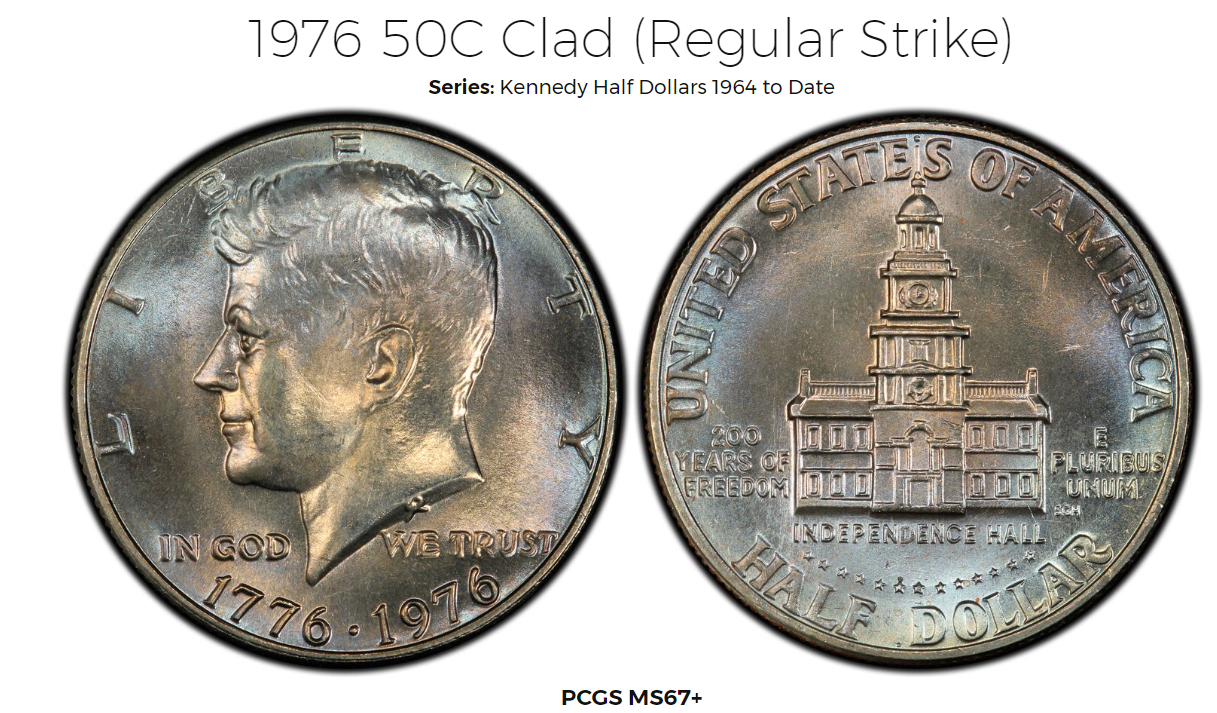
The Bicentennial Half Dollar, issued in 1976, commemorates the 200th anniversary of the United States. This guide provides detailed information on the value of Bicentennial Half Dollar coins, factors affecting their worth, and answers to frequently asked questions.
What is a Bicentennial Half Dollar Coin Worth?
The value of a Bicentennial Half Dollar can vary significantly based on its condition, mint mark, and other unique features. Here’s a breakdown:
1. 1976 Bicentennial Half Dollar (No Mint Mark)
- Value: $0.50 to $2
- Significance: These coins were minted in Philadelphia and have no mint mark. They are common and typically found in circulated condition.
2. 1976-D Bicentennial Half Dollar
- Value: $0.50 to $2.50
- Significance: Coins minted in Denver bear the "D" mint mark and are slightly less common than those from Philadelphia.
3. 1976-S Bicentennial Half Dollar (Clad)
- Value: $1 to $3
- Significance: These proof coins were minted in San Francisco and have an "S" mint mark. They are typically found in higher grades due to limited circulation.
4. 1976-S Bicentennial Half Dollar (40% Silver)
- Value: $4 to $10
- Significance: These coins contain 40% silver and are more valuable due to their metal content.
5. 1976 Bicentennial Half Dollar with Mint Errors
- Value: $5 to $50
- Significance: Mint errors such as off-center strikes, double dies, and other anomalies can make these coins more valuable. For detailed information on rare coin errors, check out our best-selling coin error book on Amazon.
Factors Influencing the Value of Bicentennial Half Dollar Coins
Condition (Grade)
The condition of the coin greatly affects its value. Coins are graded from Poor (P) to Mint State (MS), with higher grades fetching higher prices.
Mint Mark
The presence of a mint mark (D for Denver, S for San Francisco) can affect the value, with "S" mint marks typically being the most valuable.
Historical Significance
Bicentennial Half Dollars are part of the American Bicentennial coin series, which includes quarters and dollars, and are cherished for their historical importance.
How to Identify a Bicentennial Half Dollar Coin
- Check the Date: The date "1776-1976" is located on the obverse (front) of the coin, along with John F. Kennedy's portrait.
- Look for the Mint Mark: The mint mark is located on the obverse (front) of the coin, below Kennedy's portrait.
- Examine the Condition: Use a magnifying glass to check for wear and tear. Coins with fewer marks and clearer details are more valuable. For selling tips, refer to our best-selling selling guide on Amazon.
Frequently Asked Questions
Q1: What makes a Bicentennial Half Dollar valuable?
A1: The value is influenced by the coin's condition, mint mark, presence of mint errors, and its historical significance.
Q2: Where can I sell my Bicentennial Half Dollar?
A2: You can sell your Bicentennial Half Dollar at coin shops, online marketplaces, auctions, or through coin dealers. Getting multiple appraisals ensures a fair price. Check out our live coin auctions on Whatnot for selling opportunities.
Q3: How should I store my Bicentennial Half Dollar to maintain its value?
A3: Store your coin in a cool, dry place using coin holders or capsules to prevent damage. Avoid handling the coin with bare hands to keep oils from affecting its condition.
Q4: Is a Bicentennial Half Dollar a good investment?
A4: Yes, due to its historical significance and potential for rare mint errors, a Bicentennial Half Dollar can be a good investment.
Conclusion
The Bicentennial Half Dollar is a valuable coin for collectors, with its worth influenced by condition, mint mark, and specific designations. By understanding these factors, you can better appreciate the value of your Bicentennial Half Dollar and make informed decisions about buying, selling, or preserving these coins.