
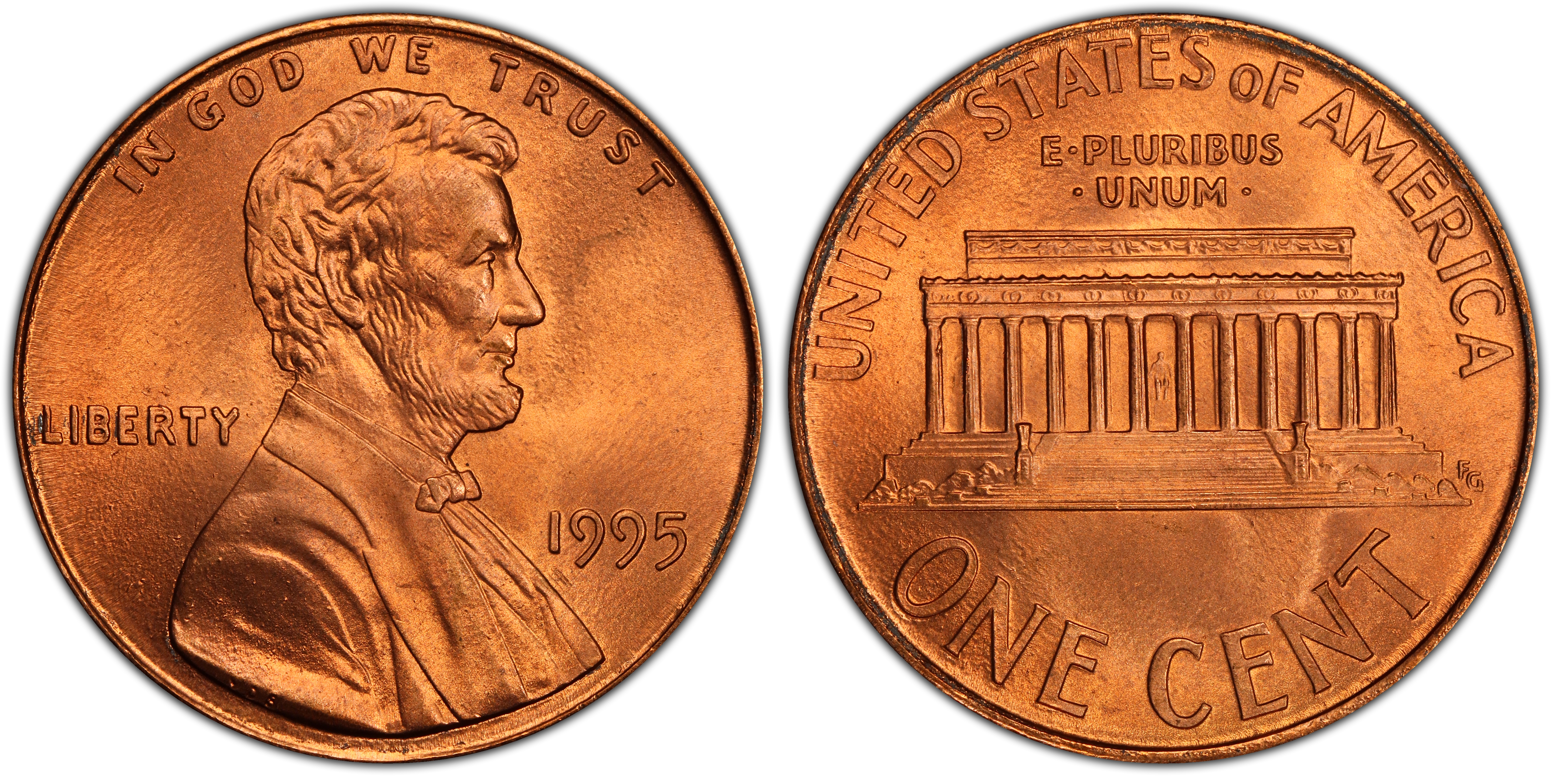
The 1995 doubled die penny is a real Lincoln cent variety collectors still check in rolls. The main diagnostics are on the front of the coin in LIBERTY and IN GOD WE TRUST.
1995 DDO Penny FS-101: What To Check First
What Makes The 1995 Doubled Die Penny Different?
The 1995 doubled die penny is not just any 1995 Lincoln cent. It is a recognized doubled die obverse variety, commonly listed as FS-101, from the Philadelphia Mint. PCGS lists the 1995 1C DDO FS-101 as a copper-plated zinc Lincoln cent with a massive Philadelphia mintage of 6,411,440,000 pieces, which is why collectors like it: the regular coin is common, but the right variety is still worth hunting.
This coin also matters because it is one of the most visible modern Lincoln cent doubled dies. It is not as legendary as the 1955 or 1972 doubled die cents, but it is much more realistic for roll hunters to find, and it remains a useful variety for collectors learning how real doubled dies look.
How To Identify The Real FS-101 Variety
Start on the front of the coin. The best diagnostics are in LIBERTY and IN GOD WE TRUST. On a genuine doubled die, the doubling should look raised and separated, with a real spread to the letters. It should not look like flat, shelf-like machine doubling.
- Look first at LIBERTY, especially the left-side lettering.
- Check IN GOD WE TRUST across the top of the obverse.
- Confirm it is a Philadelphia cent with no mint mark.
- Compare the coin against certified PCGS or NGC examples before paying a premium.
What Is A 1995 Doubled Die Penny Worth?
Value depends heavily on grade, color, eye appeal, and authentication. Circulated or raw examples can be much more modest than internet headlines suggest, while sharp certified Red Mint State coins can sell for more.
Recent auction records show why condition matters. NGC Auction Central has tracked many 1995 doubled die obverse cents, including MS67 Red examples selling around the low hundreds or less in recent years, an MS68 Red NGC example at $139 in March 2024, and a top MS69 Red NGC example at $1,440 in April 2023. PCGS also lists auction activity for certified pieces, including an MS66 Red example at $85 in May 2025. Exceptional coins can go higher, but most collectors should value the coin based on actual grade and a confirmed FS-101 attribution.
Common Mistakes To Avoid
The biggest mistake is confusing machine doubling with a real doubled die. Machine doubling is usually flat and shelf-like, and it does not carry the same collector premium. Damage, lighting glare, worn lettering, and ordinary 1995 cents can also trick people into thinking they found the variety.
Another mistake is assuming every 1995 penny is valuable. The standard 1995 Lincoln cent is common. The value comes from the doubled die obverse variety, not from the date alone.
Should You Grade A 1995 DDO Penny?
Grading makes the most sense when the coin has clear FS-101 diagnostics and strong condition. A bright Red Mint State coin with clean surfaces has a much better case for certification than a circulated, stained, or damaged example. If the doubling is obvious and the coin looks high grade, PCGS or NGC attribution can help buyers trust exactly what it is.
Sources used: PCGS CoinFacts, PCGS Auction Prices, NGC Coin Explorer, and NGC Auction Central. Market prices can change, so use current auction records and professional attribution when buying, selling, or grading.