
Silver, Errors, and Mint Marks
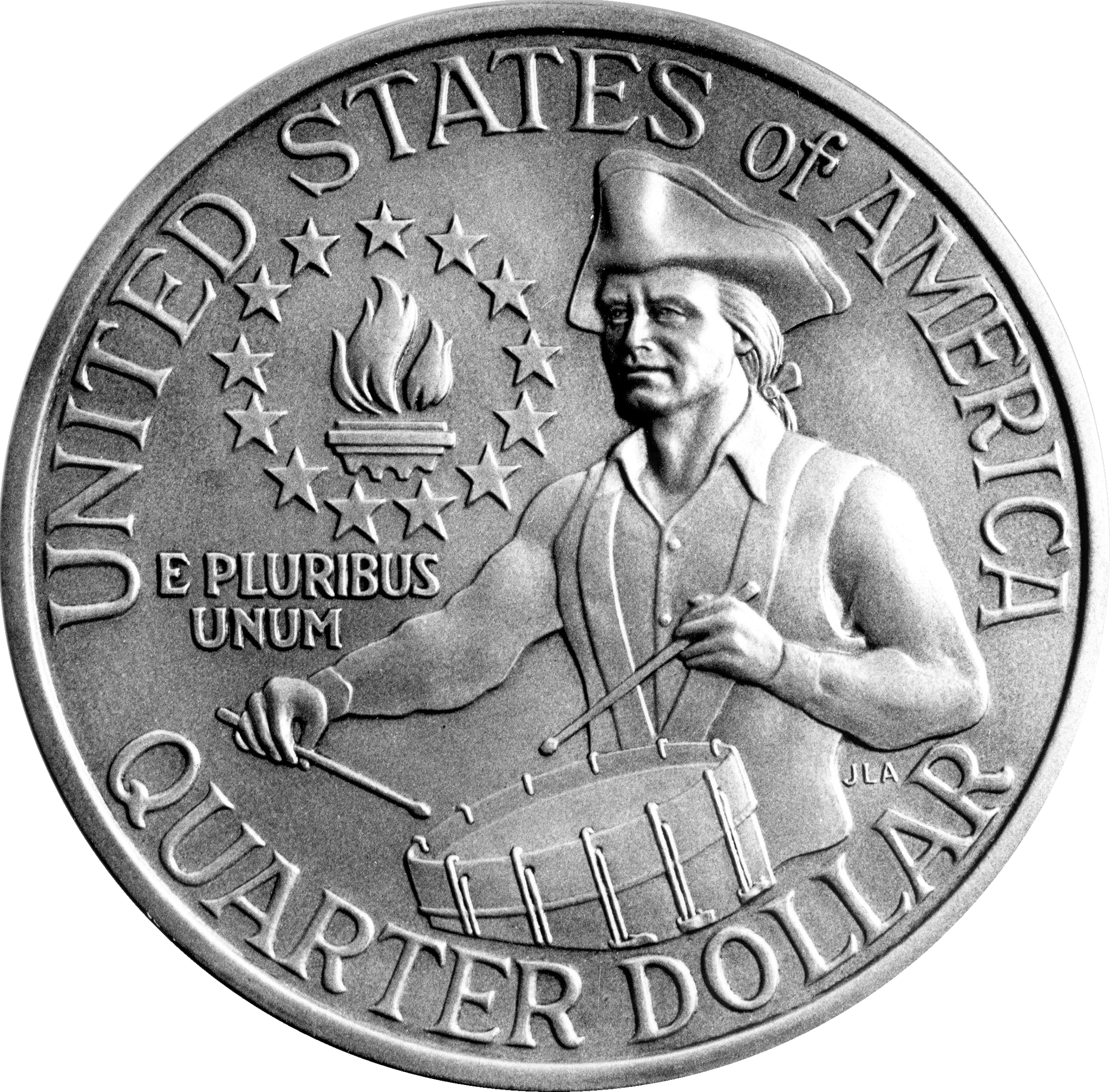
The Bicentennial quarter is one of the most recognizable U.S. coins because of the colonial drummer reverse and the dual date, 1776-1976. Since so many were made, condition and variety matter.
What is a Bicentennial quarter worth?
Circulated clad quarters: Usually face value. - Uncirculated clad quarters: Often a small premium if attractive. - 40% silver S quarters: Usually worth more than face because of silver content and collector demand. - Proof coins: Value depends on whether the coin is clad or silver and how clean the surfaces are. Mint marks to check
A no mint mark Bicentennial quarter was made in Philadelphia. A D mint mark means Denver. An S mint mark means San Francisco, and those are usually collector issues rather than regular pocket-change coins.
Common Bicentennial quarter errors
Off-center strikes - Clipped planchets - Broadstrikes - Die cracks and die chips - Wrong planchet errors Be careful with coins that simply look odd from damage. A real mint error happens during production, while scratches, dents, heat damage, and stains happen after the coin leaves the Mint.
How to tell if it is silver
Silver Bicentennial quarters were made for collector sets. They carry an S mint mark and have a slightly different look and weight than regular copper-nickel clad coins. When in doubt, weigh the coin and compare it to known specifications.
Bottom line
A Bicentennial quarter is fun to find, but most are common. Search for S mint marks, silver collector issues, clean uncirculated coins, and real mint errors if you want the examples collectors chase.
CoinHub collector note
Values can change with grade, eye appeal, originality, and current collector demand. For rare coins or expensive errors, PCGS or NGC authentication is usually the safest next step before buying or selling.